Muhammad Amir: Rise, Fall, and Redemption of Pakistan’s Fast Bowler

Cricket isn’t just a game of runs, wickets, and trophies. For some, it’s life itself — full of pressure, mistakes, lessons, and redemption. Muhammad Amir’s journey is one of those stories. It’s messy, emotional, human… and that’s what makes it so real.
This isn’t just about wickets or swing bowling. It’s about a young boy from a small town who rose, fell, and stood up again.
Early Life
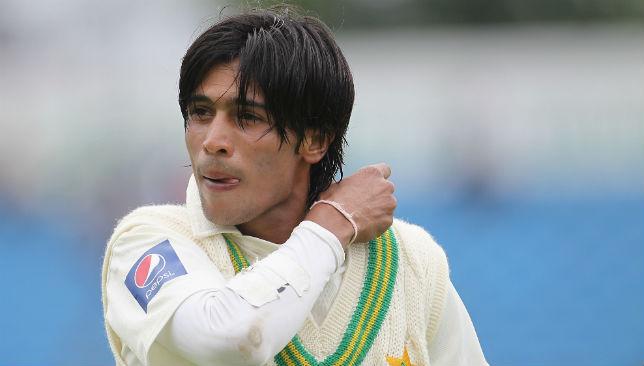
Muhammad Amir was born on 17 April 1992, in Gujjar Khan, near Rawalpindi. Life there was simple, ordinary. No fancy cricket academies, no easy opportunities. Amir grew up with basic resources, a loving family, and a big dream — to play cricket.
He started with street cricket, playing tape-ball matches on dusty streets or uneven grounds. Sometimes the ball was old, sometimes the bat was broken. But Amir bowled with heart. He loved it. That’s all.
Even as a kid, people noticed something unusual. His left-arm bowling looked natural. The ball swung in the air. And he wasn’t scared to bowl fast. At that time, Amir was just another kid with zero recognition, dreaming big.
From Street Cricket to Hard Ball
Transitioning from tape-ball cricket to hard-ball cricket is not easy. Many kids fail. Amir adapted quickly. His pace improved, his control got better, and coaches started noticing him. He wasn’t technically perfect, but his raw talent stood out.
Selectors noticed his hunger. His fire. His willingness to learn. Slowly, Amir began climbing the ladder.
International Recognition
By his mid-teens, Amir was turning heads in junior cricket. Pakistan needed fast bowling talent, and here was a teenager with pace, swing, and an unusual calmness.
At just 17, Amir made his international ODI debut against Sri Lanka in 2009. Not long after, he made his Test debut, also against Sri Lanka. Most players at that age are still figuring out basics. Amir was already playing on the world stage.
And he wasn’t nervous. Calm, focused… almost scary for someone so young.
The Rise – Suddenly a Hero
Between 2009 and 2010, Amir’s rise was meteoric. He bowled with confidence and swing, troubling experienced batsmen.
Fans and media loved him. He was called Pakistan’s next big fast bowler. Comparisons to legends started appearing. Young, talented, fearless. Everything seemed perfect.
But success at 17 comes with its own challenges — media attention, fan expectations, comparisons, pressure. Amir was young, famous, and surrounded by influences he probably didn’t fully understand.
The Fall
Then came 2010. During the England tour, the spot-fixing scandal erupted. Amir’s name appeared alongside senior players.
- At 18 years old, he made a mistake that would haunt him. The punishment? Brutal:
- Five-year international ban
- Jail sentence
- Public humiliation
Overnight, the rising star became a cautionary tale. Fans turned against him. Media criticism was relentless. Sympathy was rare. And yet, Amir had to live with it — alone, at a very young age.
Mental Struggles
This phase wasn’t just about losing cricket. Amir lost confidence, respect, and self-belief.
He later said the ban years were mentally exhausting. Shame. Guilt. Regret. Some days, he probably thought life was over before it even began. Cricket was gone. Fame was gone. Only mistakes remained. And now he had to face the consequences of his choices.
Five Years of Silence
During the ban, Amir stayed away from the spotlight. But the silent years were his hardest and most important.
- He worked on fitness.
- He learned discipline.
- He reflected on mistakes.
- He built mental strength.
The careless teenager faded. In his place came someone more thoughtful, patient, and disciplined. These years were not glamorous. No media. No applause. Just hard work and reflection.
The Comeback

In 2015, Amir became eligible for cricket again. The big question: would Pakistan and fans accept him?
Reactions were mixed. Some welcomed him. Others never forgave. Amir didn’t talk. He didn’t apologize publicly. He focused on cricket. Domestic matches first. Step by step, he earned trust again. By 2016, he returned to international cricket.
- A Smarter, Calmer Ami
- The comeback Amir wasn’t the same teenager.
- More patient
- Smarter in decision-making
- Calm under pressure
He didn’t try to prove anything with extra pace. Discipline and consistency became his weapons. Slowly, people started trusting him again — professionally, not emotionally.
Career Stats
Amir’s statistics are solid, even though they don’t capture the full story:
| Format | Matches | Wickets | Bowling Average | Best Bowling |
|---|---|---|---|---|
| Test Cricket | 36 | 119 | 30.5 | 6/45 |
| ODIs | 61 | 81 | 29.6 | 5/30 |
| T20 Internationals | 62 | 71 | 21.9 | 4/13 |
These numbers are impressive, considering he lost five prime years to a ban. But stats don’t tell the whole story. His real impact came in big matches and pressure situations — Champions Trophy 2017 final, England tours, and key PSL games.
Champions Trophy 2017
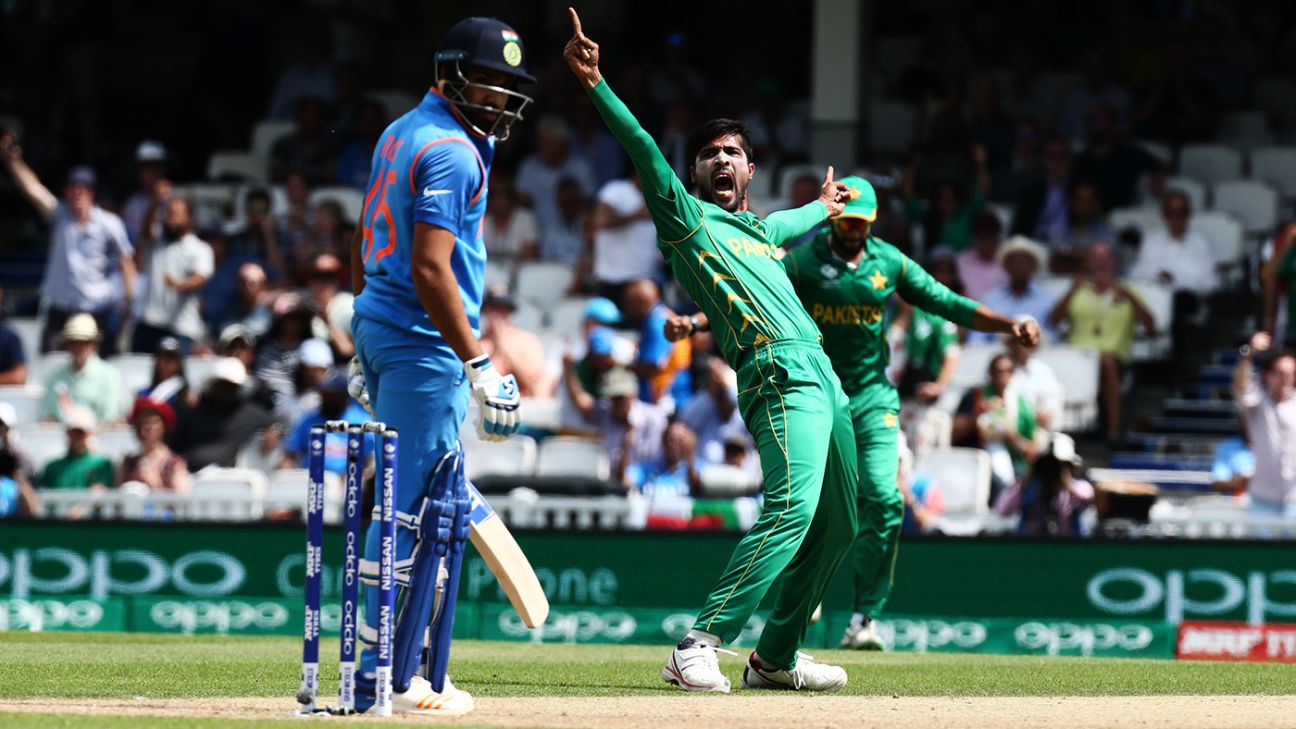
The final vs India at Lord’s was the ultimate test. Pressure was enormous. Amir opened the bowling and delivered:
- Rohit Sharma – dismissed
- Virat Kohli – dismissed
- Shikhar Dhawan – dismissed
One spell, one match, one moment. That day, Amir didn’t just win a trophy. He won back respect. He reminded everyone he could rise after falling.
Bowling Style
- Amir wasn’t just about pace.
- Left-arm angle created difficulty for batsmen
- Natural swing moved the ball both ways
- Big-match temperament meant he thrived under pressure
He often delivered where others failed. His ability to read batsmen and adapt to conditions made him dangerous in all formats.
Stepping Away and Life Beyond International Cricket
After 2019, Amir stepped away from Test cricket, then eventually from all international matches. People were shocked. Some criticized him. But the truth: mental fatigue, pressure, and constant scrutiny were too much. Peace of mind mattered more than fame.
He focused on leagues: PSL, CPL, and county cricket. Here, he played with freedom, mentored younger players, and enjoyed cricket again. For Amir, cricket became love, not pressure.
Lessons From Muhammad Amir
- 1. Talent is not enough; discipline matters.
- 2. Mistakes have consequences, but redemption is possible.
- 3. Mental health matters as much as skill.
- 4. Big moments define legacy, not just numbers.
Amir’s journey isn’t neat. It’s human. And that’s why it resonates.
Final Words
- He rose fast.
- He fell hard.
- He paid a heavy price.
- And then… he stood up again.
Muhammad Amir is remembered not just for wickets or swing, but for courage, resilience, and redemption. He shows the world that even if you hit rock bottom, you can rise again.
Frequently Asked Questions (FAQs)
1. Why was Muhammad Amir banned from cricket?
Muhammad Amir was banned due to his involvement in the 2010 spot-fixing scandal during Pakistan’s tour of England. He accepted his mistake and served a five-year international ban along with legal punishment.
2. How old was Muhammad Amir when he made his international debut?
Muhammad Amir made his international debut at just 17 years old, making him one of Pakistan’s youngest fast bowlers to play at the highest level.
3. How many wickets did Muhammad Amir take in international cricket?
Muhammad Amir took over 278 international wickets across Tests, ODIs, and T20 Internationals during his career.
4. What was Muhammad Amir’s best performance in ODI cricket?
His best ODI bowling figures are 6/14, which remains one of the best spells by a Pakistani fast bowler in limited-overs cricket.
5. Why is Muhammad Amir famous for the 2017 Champions Trophy final?
In the Champions Trophy 2017 final vs India, Amir dismissed Rohit Sharma, Virat Kohli, and Shikhar Dhawan, delivering a match-winning spell that helped Pakistan lift the trophy.
6. Why did Muhammad Amir retire from Test cricket?
Muhammad Amir retired from Test cricket in 2019 to focus on limited-overs formats and manage his mental and physical workload.
7. Did Muhammad Amir return to international cricket after his ban?
Yes. After completing his ban, Muhammad Amir made a successful return to international cricket in 2016 and became an important part of Pakistan’s bowling attack again.
8. What type of bowler is Muhammad Amir?
Muhammad Amir is a left-arm fast bowler, known for swing bowling, accuracy, and performing well in high-pressure matches.


Amir is king
ReplyDeleteOoo
ReplyDelete